
The 2026 FIFA World Cup, set to be hosted across the United States, Canada, and Mexico, is poised to be a game-changer for the global sports betting industry. As the world’s most watched sporting event, the World Cup generates immense interest and betting activity, particularly in emerging markets where the sport’s popularity continues to soar. However, navigating the volatility of this event in these rapidly evolving markets presents unique challenges and opportunities for bettors and operators alike.
Emerging Markets: Untapped Potential and Heightened Volatility
The 2026 World Cup is set to be the first edition of the tournament to be hosted across three countries, adding to the excitement and unpredictability of the event. This dynamic is particularly pronounced in emerging markets, where the sport’s fanbase is rapidly growing, and betting activity is often more event-driven than in mature markets.
Amplifying the Passion of Emerging Fans
Countries like Brazil, Mexico, and the United States have long been soccer powerhouses, with passionate fan bases that eagerly await the World Cup every four years. The 2026 edition, being hosted in North America, is expected to further ignite the fervor of these emerging markets, leading to a surge in betting activity and increased volatility in the lead-up to and during the tournament.
Navigating Unpredictable Outcomes
Emerging markets are often characterized by a higher degree of unpredictability when it comes to sports betting, and the 2026 World Cup is no exception. Unexpected results, underdog victories, and dramatic shifts in momentum can significantly impact betting outcomes, making it crucial for bettors to stay agile and adaptable in their strategies.
Personalization and Mobile Optimization: Keys to Success
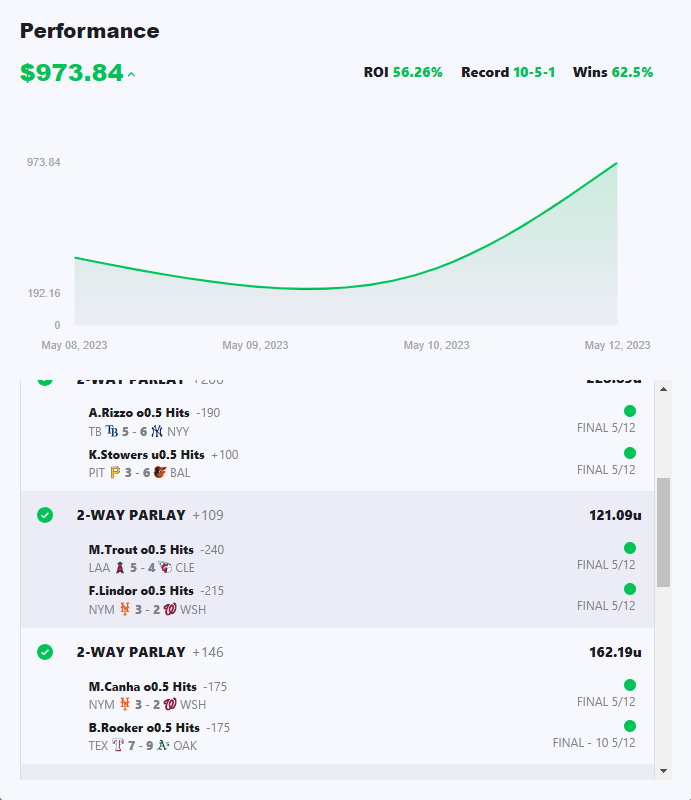
As the sports betting landscape in emerging markets continues to evolve, operators must prioritize personalization and mobile optimization to cater to the unique needs and preferences of their users.
Leveraging AI for Personalized Experiences
The integration of advanced AI and machine learning technologies can enable operators to offer highly personalized betting experiences to their customers in emerging markets. By analyzing user behavior, preferences, and betting patterns, these tools can provide tailored recommendations, promotions, and in-play betting options that resonate with individual bettors, enhancing engagement and loyalty.
Optimizing for the Mobile-First Audience
In emerging markets, the vast majority of sports betting activity takes place on mobile devices, making it essential for operators to prioritize mobile user experience (UX) and functionality. This includes streamlining the betting process, offering seamless in-play betting, and ensuring a responsive and intuitive interface that caters to the on-the-go needs of their users.
Responsible Gaming: A Necessary Safeguard
As the excitement and volatility of the 2026 World Cup betting landscape unfolds in emerging markets, the importance of responsible gaming practices cannot be overstated. Operators must take a proactive approach to protecting their customers and promoting healthy betting habits.
Empowering Bettors with Transparency and Control
By providing clear and accessible information about odds, payouts, and betting limits, operators can empower bettors in emerging markets to make informed decisions. Additionally, offering robust responsible gaming tools, such as deposit limits, self-exclusion options, and access to problem gambling support resources, can help ensure a safer and more sustainable betting experience for all.
Fostering a Culture of Responsible Betting
Operators must also take a holistic approach to promoting responsible gaming, engaging with local communities, and collaborating with relevant authorities to raise awareness and foster a culture of responsible betting. This can include educational campaigns, partnerships with problem gambling organizations, and the implementation of industry-leading responsible gaming practices.
Navigating the Volatility: Strategies for Success
As the 2026 World Cup approaches, bettors and operators in emerging markets must be prepared to navigate the unique challenges and opportunities presented by this highly anticipated event.
Diversifying Betting Strategies
To mitigate the volatility inherent in emerging markets, bettors should consider diversifying their betting strategies, exploring a range of markets and bet types, and staying attuned to the latest trends and developments. This can help them manage risk and capitalize on the unpredictable nature of the World Cup in these rapidly evolving regions.
Leveraging Data-Driven Insights
By leveraging data-driven insights and analytics, both bettors and operators can gain a deeper understanding of the evolving betting patterns and preferences in emerging markets. This can inform more strategic decision-making, enable more personalized offerings, and ultimately, lead to a more engaging and successful betting experience for all participants.
As the 2026 FIFA World Cup approaches, the sports betting industry in emerging markets is poised for a dynamic and exciting journey. By embracing personalization, mobile optimization, and responsible gaming practices, operators can navigate the volatility and unlock the immense potential of these rapidly growing markets. For bettors, a combination of adaptability, data-driven insights, and a commitment to responsible betting can pave the way for a thrilling and rewarding World Cup betting experience.
Remember, responsible gambling is essential. If you or someone you know has a gambling problem, seek help from a recognized support service.